આ કુંડ વિશે ઘણી ચમત્કારી વાતો સ્કંદ પુરાણમાં તેમજ દંતકથા તરીકે પ્રચલિત છે. જ્યારથી પ્રભાસમાં (દેવ પાટણ) સોમેશ્વર અથવા પ્રસિદ્ધ સોમનાથની સ્થાપના થઈ ત્યારથી આ બ્રહ્મકુંડ પણ સ્થાપિત અને વિખ્યાત છે. પ્રભાસક્ષેત્રનું પ્રમાણ બાર યોજન (આશરે ૪૮ ગાઉ) કહેલું છે એટલે તેની અંદર આ કુંડનું સ્થાન આવી જાય છે. વળી શ્રી કૃષ્ણના સમયથી એ ક્ષેત્ર પ્રસિદ્ધ છે, માટે ૫ હજાર વર્ષથી એ જાણીતી તીર્થભૂમિ છે. (પુરાણોમાં અમુક તીર્થમાં અમુક દેવ રહ્યા વગેરે હકીકતો આવે છે તેને ઐતિહાસિક સત્ય ન માનીએ તો પણ એ પુરાણો લખાયાં ત્યારે તે સ્થાનો હોવા જોઈએ. એટલે બ્રહ્મકુંડ પણ શ્રી કૃષ્ણ જેટલો પ્રાચીન નહિ તોપણ સ્કંદ પુરાણ જેટલો પ્રાચીન તો હોવો જ જોઈએ.) સ્કંદ પુરાણમાં નીચે પ્રમાણે તેનું મહાત્મ્ય છે :-
Numerous miraculous accounts regarding Brahmakund are narrated both in the sacred *Skanda Purana* and in local folklore. Ever since the establishment of Someshwar or the celebrated Somnath shrine in Prabhas (Dev Patan), this Brahmakund has also been established and renowned. The extent of Prabhas Kshetra is recorded as twelve yojanas (approximately 48 gau / ~96 miles), thereby encompassing the sacred site of this kund within its holy boundary. Furthermore, this region has been famed since the era of Lord Krishna, making it a celebrated pilgrimage sanctuary for over 5,000 years.
🔱
સ્કંદ પુરાણ: દેવી પાર્વતીને ભગવાન શિવનો ઉપદેશ
Skanda Purana: Lord Shiva's Revelation to Goddess Parvati
દેવીના પૂછવાથી શંકરે પ્રસન્ન થઈને કહ્યું કે :- “તમે બહું સારું પૂછ્યું, તમે લોકનાં હિતેચ્છુ છો. આ મનુષ્યલોકમાં સર્વ તીર્થમાં ઉત્તમ એવું પ્રભાસ તીર્થ છે, તે બાર યોજન વિસ્તારવાળું છે. ત્યાં સોમનાથ બિરાજે છે, અને દૈત્યોને હણનાર શ્રી કૃષ્ણ પણ વાસ કરીને રહ્યા છે ત્યાં “બ્રહ્મકુંડ”નું મોટું તીર્થ છે. એ સ્થાનમાં શંકર લિંગ (બાણ) રૂપે રહ્યા છે, તેની આરાધના કરી પછી કુંડનો આશ્રય લેવો. તેનું જલ જુદા જુદા વર્ણનું (રંગનું) છે. કોઈ વાર રાતું, કાળું, તામ્રવર્ણું, શ્વેત, કાબરું, શ્યામ, દિવ્ય, કર્પૂર જેવું, કસ્તુરી જેવું અને કોઈવાર કુંકુમ જેવું જણાય છે. એમાં ત્રાંબાને ઘડાને તીર્થોદકથી ભરીને અગ્નિથી તે ઘડો તપાવો (છ માસ પર્યંત તેમ કરવું) પછી બહાર કાઢવો. પાછું તેમાં કુંટીદક નાંખવું. તે એક માસ સુધી રાખી મૂકી, પાણી કહાડી નાંખી ત્રાંબાનાં કુંભના કટકા કરી નાંખવા. પછી તે કુંડમાં એક ભાગમાં ડુબાવવા. એટલે બધું ત્રાંબુ સુવર્ણમય થઈ જશે.”
Upon being asked by the Goddess, Lord Shiva said in delight: "You have asked well, for you seek the welfare of all beings. In this mortal realm, paramount among all holy places is Prabhas Tirtha, spanning twelve yojanas. There resides Lord Somnath, and there dwelt Lord Krishna, the slayer of demons; and right there lies the great sanctuary of **Brahmakund**. In that sanctuary, Shiva abides in the form of a sacred Bana-Linga. Having worshipped Him, one should seek the refuge of the kund. Its water assumes various divine hues — sometimes crimson, black, copper-tinted, pure white, mottled, dark, radiant, camphor-like, musk-fragrant, and at times glowing like saffron kumkum."
વળી જે મનુષ્યને શરીર સિદ્ધિ મેળવવી હોય. તેણે ત્રણ વર્ષ સુધી તે કુંડમાં મૌનવ્રત ધારણ કરી સ્નાનપૂર્વક મહામંત્રનો જપ કરવો. ક્ષેત્રપાળની પૂજા કરવી, પછી ધ્યાન કરી તીર્થોદકનું પાન કરવું. આ રીતે ત્રણ વર્ષ સુધી જે કરે તે દિવ્ય દેહવાળો, તેજસ્વી બળવાનને સર્વ વ્યાધિઓથી વર્જિત થાય છે. અને ઘણાં વર્ષ સુધી જીવે છે. એ કુંડમાં સ્નાન કરી વાગીશમંત્રનો જપ કરી પૂજાપૂર્વક હોમ કરે તો તેના મુખમાં સાક્ષાત સરસ્વતી વાસ કરે છે ને શાસ્ત્રજ્ઞ થાય છે. જો પ્રાણી આ કુંડમાં સ્નાન કરે તો પૃથ્વીમાં જેટલાં તીર્થો છે, ને જેટલા દેવતાઓ છે, તેનું સેવન કર્યા જેટલું ફળ મળે છે. તે કુંડ ઉપર વેદમાતા ગાયત્રીનો વિધિથી એક લક્ષ જાપ કરે તો તે પાપ મુક્ત થઈ પુણ્ય લોકને પામે છે. અને જેણે બ્રહ્મકુંડની યાત્રા કરી છે, તે ઉત્તમ પુરુષ કહેવાય છે, ટૂંકમાં પૃથ્વી ઉપરનાં કરોડો તીર્થનું ફળ તેમાં સ્નાન કરવાથી અને જલપાન કરવાથી મળે છે.
Furthermore, one who seeks physical mastery and rejuvenation (*Sharir-Siddhi*) should observe a vow of silence (*maun-vrata*) for three years, bathing here and chanting the supreme mantra. One should worship the guardian deity (Kshetrapal), meditate, and sip the consecrated water. Whoever practices this for three years attains a radiant, robust physique liberated from all illnesses, and lives a long and vibrant life. Bathing here and chanting the Vagheeshwar mantra with oblations endows the devotee with the presence of Goddess Saraswati on their tongue, making them learned in all scriptures. A single bath here yields the cumulative merit of visiting every sacred sanctuary on Earth.
જ્યારે સિદ્ધરાજ આ જગ્યાએ આવેલ ત્યારે એ સ્થળનું માહાત્મ્ય લોકો ભૂલી ગયા હતાં, પુરાણમાં જ તે બધું વર્ણન અને સિદ્ધિની વાતો બધી પોથીમાં જ પૂજાતી હતી. બ્રાહ્મણો પોતાના ષટકત્યને પૂર્ણ અંશે પાળતા નહિં. તેમ જૈન ધર્મનું સિદ્ધરાજના વખતમાં પરિબળ ઓછું નહોતું. એટલે શત્રુંજયની યાત્રા કરી સમુદ્રમાંથી પંચતીર્થી કરવા પોતે આ બાજુ આવ્યા, ત્યારે સિહોરના દક્ષિણ ભાગમાં મુકામ કરેલો. એવામાં જે ચમત્કાર થયો, એ આ સ્થળના પાણીનો જ હતો.
When King Siddharaj Jaisinh of Patan arrived here, the glory of this sacred site had faded from public memory, relegated solely to ancient manuscript leaves. The King had embarked on a pilgrimage to Shatrunjay and was journeying towards the seaside Panchtirthi when he camped in the southern outskirts of Sihor. It was during this royal encampment that a legendary miracle took place through the waters of this very earth.
રત્નમાળનો કર્તા કૃષ્ણાજી કહે છે કે, સિદ્ધરાજનાં પહોંચા કાળા હતાં. તેણે સિહોર મુકામ કરી દિશા - જંગલ જઈ આવ્યા પછી હાથ પગ ધોવા જે પાણી વાપર્યું, તેથી તેના હાથ ઉપર શ્વેતપણાની અસર થઈ એ ઉપરથી ચાકરને પૂછ્યું કે આ પાણી તું ક્યાંથી લાવ્યો ? ચાકર ગભરાતો બોલ્યો કે હજૂર અહીં નજીકના વીરડામાંથી લાવ્યો છું, એ પાણીનો વીરડો બતાવવાનું કહ્યું. ચાકરે સાથે જઈ એ બતાવ્યો. પછી પોતે પુનઃ તે પાણીથી હાથ ધોયા. અને કહેવાય છે કે એ પાણીના ચમત્કારી ગુણને લીધે, તેનો કોઢ નાશ પામ્યાથી તે ઘણો પ્રસન્ન થયો અને બ્રાહ્મણોને બોલાવી ત્યાં મોટો કુંડ (પુનઃજીર્ણોદ્ધાર કરી) બંધાવ્યો. અને યજ્ઞ કરી બ્રાહ્મણોને પ્રસન્ન કરી સિહોર ગામનો ફરીને પટ્ટો કરી આપ્યો.
The medieval chronicler Krishnaji, author of *Ratnamal*, records that King Siddharaj suffered from black leprosy patches on his wrists. After completing his morning ablutions in Sihor, he washed his hands and feet with water fetched by his attendant. Astoundingly, the dark skin patches on his hands visibly turned fair and clear. The King questioned his trembling servant: "Where did you fetch this water from?" The attendant guided the King to a nearby natural bubbling spring pool (*virado*). The King submerged and washed his hands again; by the miraculous curative virtues of the mineral spring, his stubborn affliction vanished entirely. Overjoyed, King Siddharaj summoned the Brahmins, renovated and reconstructed the reservoir into a grand stone stepwell, performed royal Vedic Yajnas, and re-bestowed the imperial land charter (*patto*) of Sihor town upon the scholarly community.
🏛️
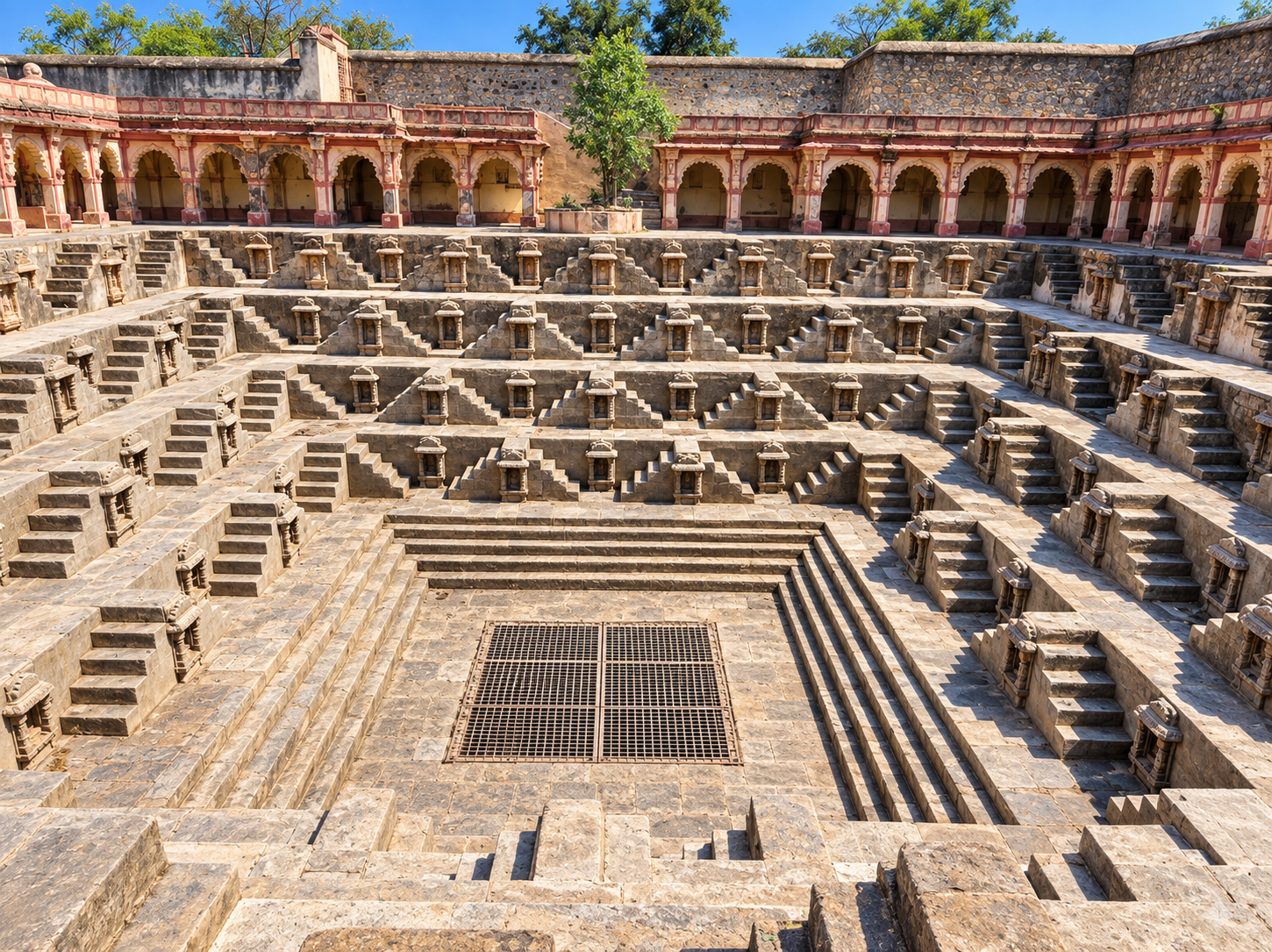
બ્રહ્મકુંડ પરિસર — ૮૨ ફૂટની વિશાળ ચોરસ પાટ, પથ્થરના પગથિયાં અને પવિત્ર જળતીર્થ
Panoramic Brahmakund Reservoir — 82-ft square upper terrace and sacred stepped aquifer
🔍
ક્લિક કરી ફૂલ-સ્ક્રીન જુઓ
Click to view full screen
એ કુંડનાં પગથીયાં પૂરાં થઈ રહે છે, અને જ્યાં માત્ર ચોરસ આકારમાં પાણી રહે છે, તે છેલ્લી પાટના મધ્યમાં એક ચોખંડો કુવો છે, તે ઉનાળામાં ક્વચિત્ દેખાય છે. જ્યારે આ બ્રહ્મકુંડ છેલ્લો સમરાવ્યો અને તે કુવાનું પાણી પણ પંપથી બહાર ઉલેચી ગાળ કહાડ્યો હતો. ત્યારે તે વેળાના વાંચનાર કેટલાક કહે છે કે તેના એક પથ્થરમાં સિદ્ધરાજ એવા મોટા અક્ષર દેવનાગરી લિપિમાં દેખાયા હતાં. વળી, તેમાં કેટલાંક લાકડાં એવા મજબૂત છે કે જેને આજે ૭૦૦ વર્ષ થયાં છતાં સડ્યાં કે ભાગ્યાં નથી.
Where the descending steps culminate and only a square sheet of water remains, in the center of the lowest floor terrace lies a deep square well (*chokhando kuvo*), occasionally visible during dry summer months. When Brahmakund underwent comprehensive conservation and the deep well water was drained to remove silt, scholars observed stones bearing the royal name **"Siddharaj"** boldly carved in classical Devanagari script. Furthermore, ancient timber support beams within the masonry have remained fully intact for over 700 years without rotting or splintering — an astounding testament to medieval craftsmanship.
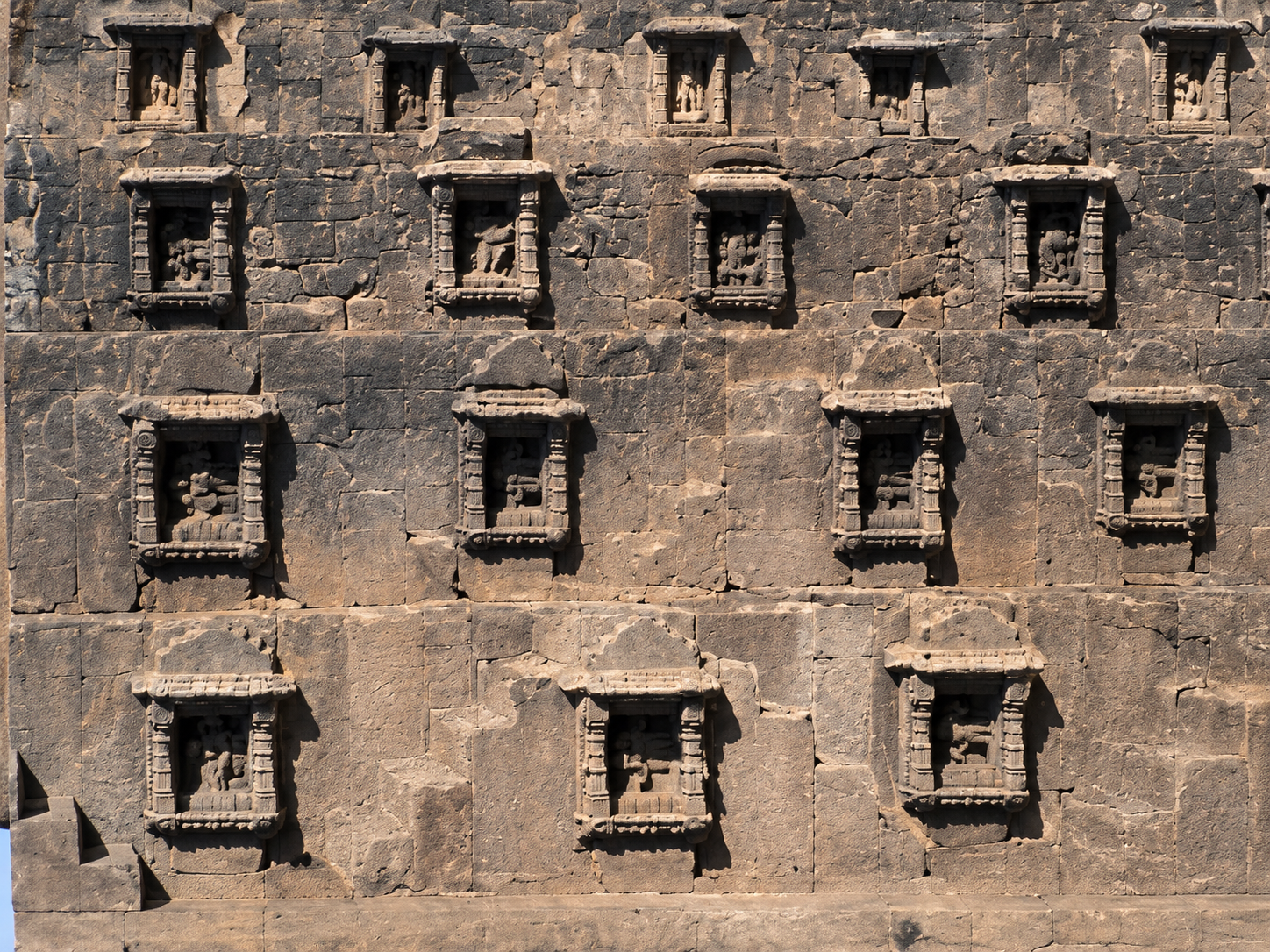
એની ચોરસ માપની પહેલી પાટ ૮૨ ફૂટની છે. એટલે પગથીયાંથી ઉતરતાં ઉતરતાં પહેલી પાટે જઈએ તો ૮૨ ફૂટ લંબાઈની પાટ આવે એટલે એનું ચોરસ માપ ૬,૭૨૪ ચોરસ ફૂટ થયું. પછી ક્રમે ક્રમે નાની થતી જાય છે. વચ્ચે કુવો છે. દરેક પગથીયાંની પડખે અને મધ્યમાં જુદી જુદી અનેક મૂર્તિઓ કોતરાવેલી છે. એનું શિલ્પકામ સિદ્ધરાજના સમયનું હોય એમ દેખાય છે. આ કુંડને પ્રખ્યાત મહેતા હરખજીએ અગાશી ચારે બાજુ કરાવીને વધારે સુશોભિત અને ઉપયોગી કરેલ છે.
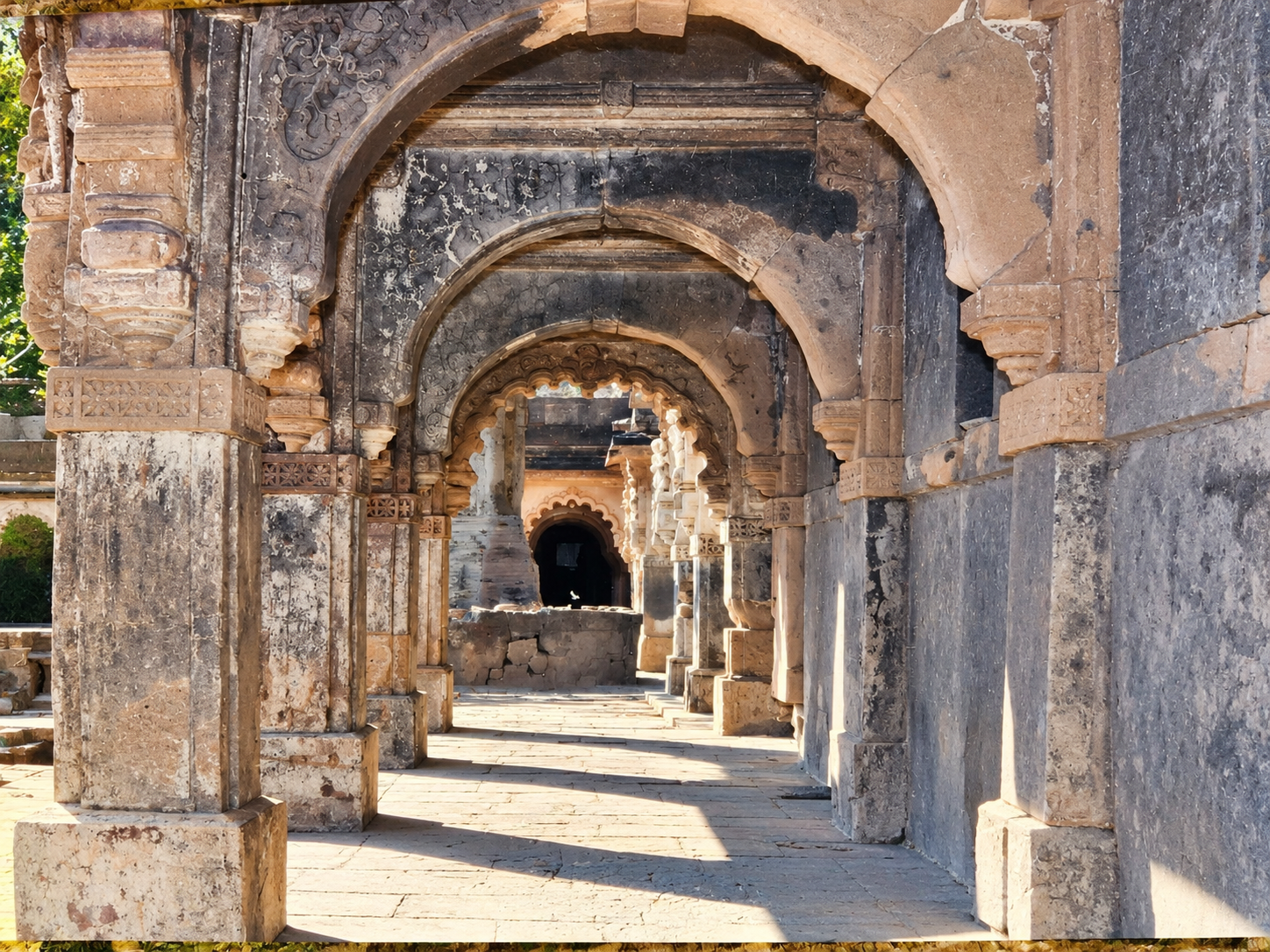
The topmost square terrace of the kund measures a remarkable 82 feet on each side, yielding an expansive upper area of **6,724 square feet**. From this expansive perimeter, concentric tiers of stone stairs descend downward, tapering gracefully towards the central reservoir and deep well. Carved into the flanking walls and stair landings are dozens of divine stone sculptures depicting deities, celestial guardians, and ornate motifs from the Solanki and Chaulukya golden era. Later, the renowned administrator Mehta Harakhji erected broad upper terraces and pillared balconies (*agashi*) encircling the kund, making it infinitely more comfortable and majestic for thousands of bathing pilgrims.
🏛️
દીવાન હરખજી મહેતા નિર્મિત અગાશી — કલાત્મક કમાનો અને પથ્થરના થાંભલાઓની ભવ્ય હારમાળા
The Majestic Pillared Colonnade & Arched Gallery Built by Dewan Harakhji Mehta
🔍
ક્લિક કરી ફૂલ-સ્ક્રીન જુઓ
Click to view full screen
આ સ્થળે જે રામજી મંદિર (રાધાકૃષ્ણ મંદીર) છે તે વિશે નીચે પ્રમાણે દંતકથા છે. :- આજથી આશરે દોઢસો વર્ષ પહેલા રામાનંદ સંપ્રદાયના રામદાસજી તથા લક્ષ્મણદાસજી નામના બે સાધુ ગંગા કિનારેથી યાત્રા કરતાં કરતાં સિહોર આવ્યાં ને બ્રહ્મકુંડ ઉપર જ્યાં હાલ પગથીયાં ચડતાં દક્ષિણ તરફ લીબડો છે ત્યાં મુકામ કર્યો. આ જગા રમણીય એકાંતવાળી અને તીર્થની હોવાથી બન્ને ભાઈઓને કાયમ નિવાસ કરવાનું મન થયું.
Adjacent to the stepwell stands the venerated Ramji Mandir (also revered as Radha-Krishna Mandir). Approximately 150 years ago, two revered saintly brothers of the Ramanand Sampradaya, Ramdasji and Lakshmandasji, arrived in Sihor during their pilgrimage from the holy banks of the Ganges. They made their humble hermitage beneath the lush neem tree on the southern stairway of Brahmakund. Enchanted by the peaceful, spiritual solitude of the water sanctuary, the two saintly brothers resolved to make it their permanent abode.
“સિંહપુરથી દક્ષિણ દિશે, બ્રહ્મકુંડ તટ પાસે,
ઋષિ મુની સંત રહંત હે, કરતહે ધ્યાન પ્રકાશ.”
“To the south of Sinhapur (Sihor), by the sacred banks of Brahmakund,
There dwell the sages, ascetics, and saints, illuminating their souls in meditation.”
✦ રામાનંદી સંતો દ્વારા ઉચ્ચારાયેલો ઐતિહાસિક દુહો (૧૫૦ વર્ષ પૂર્વે) ✦
✦ Historic Devotional Duho Chanted by Ramanandi Saints (~150 Years Ago) ✦
એ જગ્યા તે આ જ બ્રહ્મકુંડ છે એમ કહી તેઓ બ્રહ્મકુંડની મહત્તા વધારતા. એમને સિહોરના મુની કુટુંબનાં એક કપોળ વાણીયાએ રહેવાને છાપરું બાંધી આપ્યું તથા પડખે એક ધર્મશાળા કરાવી દીધી. પછી તેમાં દેવ પધરાવ્યા. પછી ભાવનગર દરબાર તરફથી ઉત્તરોત્તર મદદ મળતાં સુંદર મંદિર બંધાયું. આ જગ્યામાં અગાઉ ઘણી સુંદર ને મોટી ગાયો પળાતી દર ભાદરવી અમાસે અને ગોકુળ આઠમે ત્યાં મેળો ભરાતો.
Affirming that this very site was the sacred Brahmakund praised in ancient lores, they elevated the sanctuary's glory. A noble merchant from the Muni family of Kapol Vaniks in Sihor built them a thatched hermitage and an adjacent resthouse (*dharamshala*), where deities were reverently consecrated. Subsequently, with generous royal patronage from the Bhavnagar Darbar, a magnificent temple complex was erected. The sanctuary once nurtured a grand goshala of handsome cows, and vibrant folk fairs have been celebrated here annually on **Bhadarvi Amas** and **Gokul Ashtami** (Janmashtami).
(નોંધ: શ્રાવણ માસની અમાસને લોકો ભાદરવી અમાસ કહે છે, તેનું કારણ એ છે કે જ્યાં પુનમીયા મહિના ગણાય છે, ત્યાં આ અમાસ ભાદરવા મહિનાની મધ્યમાં આવે, તેથી ભાદરવી અમાસ કહે છે. રજપૂતસ્થાન વગેરેમાં પુનમીયા માસ ગણે છે પ્રથમ અહીં પણ પુનમીયા માસ ગણાતા હોવા જોઈએ એમ 'ભાદરવી અમાસ' શબ્દથી જણાય છે.)
(Note: The new moon of the Hindu month of Shravana is locally termed "Bhadarvi Amas". In regions following the Purnimanta calendar, this new moon falls in the middle of Bhadrapada, reflecting the historic calendar system once prevalent in Saurashtra and Rajputana.)
એ મંદિરને ફરતી અગાશી તથા નીચે છૂટી ઓશરી તથા સુંદર ચોક છે. આ છૂટી ઑશરીમાં બ્રહ્મકુંડના મહંતનાં હાથે ચિતરેલાં સાત આઠ ચિત્ર છે. તેની પડખે એક બારી છે, તે ઊંચાણમાં હોવાથી હવા ઘણી સારી આવે છે. વિષ્ણુ મંદિર ખાતે પ્રથમ દરબારશ્રી તરફથી ઘણી મદદ સારી અપાતી હતી અહીં સાધુઓને સદાવ્રત અપાય છે.
The temple structure features breezy upper galleries, an open ground-floor verandah, and a pristine courtyard. Within the open portico are seven to eight authentic wall paintings depicted by the hands of the historic mahant of Brahmakund. Elevated high on the stone plinth, airy cross-breezes flow continually through the windows. The royal house of Bhavnagar historically provided generous endowments, and free communal meals (*sadavrat*) are traditionally served to wandering ascetics here.
🛕
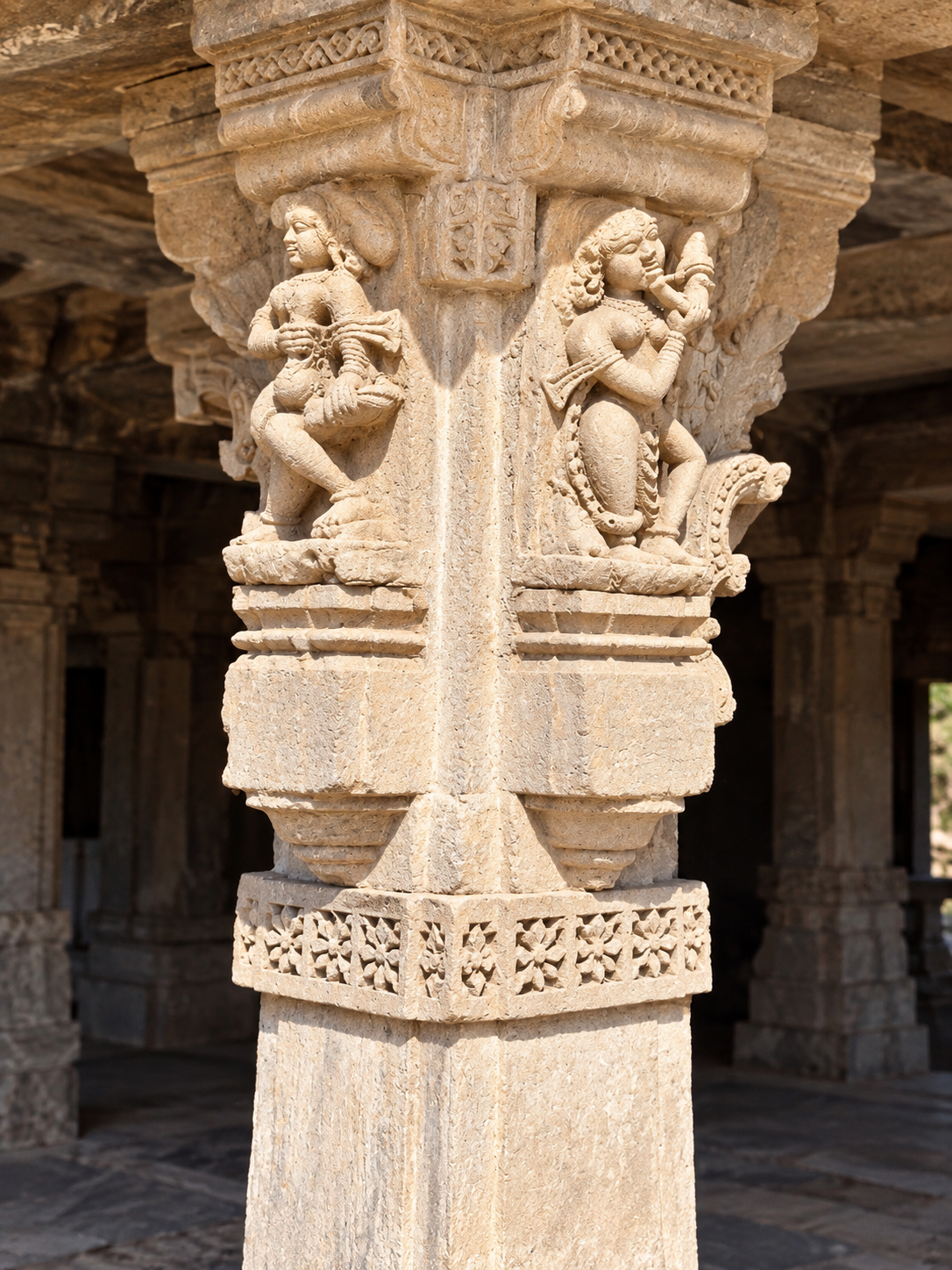
સ્તંભ કૌંસ પર કંડારેલી ઉત્કૃષ્ટ શિલ્પ મૂર્તિકળા અને પવિત્ર રામજી મંદિર પરિસર
Exquisitely Sculpted Pillar Brackets with Celestial Deities & The Sacred Ramji Temple Complex
🔍
ક્લિક કરી ફૂલ-સ્ક્રીન જુઓ
Click to view full screen
બ્રહ્મકુંડમાં થોડાં જ વરસો ઉપર એક બ્રહ્માની મૂર્તિ પધરાવવામાં આવી હતી. તેને વિશે લોકો કહે છે કે આખા હિંદમાં બ્રહ્માની મૂર્તિ માત્ર એક પુષ્કરરાજમાં અને બીજી અહીં સિહોરનાં બ્રહ્મકુંડમાં અગાઉ હતી તે ઉપરથી આ પ્રકારની મૂર્તિ તૈયાર કરાવવામાં આવી છે. અગાઉની મૂર્તિનો લેખ નીચે પ્રમાણે વંચાય છે :-
It is universally recognized among scholars that temples and idols of Lord Brahma are exceedingly rare in India — Pushkar in Rajasthan being the most prominent, and Sihor's Brahmakund being the prime sacred seat in Gujarat. An ancient inscription carved on the pedestal of the original Brahma idol records:
“સ્વસ્તિ શ્રી સંવત ૧૮૮૮ ના શાકે ૧૭૫૩ના પ્રવર્તમાને । આશ્વિન માસે વદીન (વદિ) પક્ષે તિથિ ૭ સપ્તમી ગુરૂવાસરે સ્વામી શ્રી પુરૂષોત્તમભાઈ સરસ્વતીયે આ બ્રહ્મકુંડ ઉપર દેરું ચણાવીને બ્રહ્માની મૂર્તિની સ્થાપના કરી છે ॥ શ્રી ॥”
“Hail! In the auspicious Samvat 1888, Shaka 1753, in the month of Ashwin, dark fortnight (Vadi), on the 7th lunar tithi (Thursday), Swami Shree Purushottambhai Saraswati built this shrine upon Brahmakund and consecrated the idol of Lord Brahma. Shree.”
આ ઉપરથી જણાય છે કે ત્યાં પ્રથમ બ્રહ્માની મૂર્તિ આશરે બસ્સો વર્ષ પહેલાં કોઈ પુરુષોત્તમ સ્વામી નામના સ્વામીજીએ સ્થાપન કરી હતી. એ સમયમાં મહારાજાશ્રી વિજયસિંહજીનું રાજ્ય હતું. આશરે ૭૫ વર્ષ વ્યતિત થતાં એને સુધારવાની પ્રવૃત્તિ થઈ અને સં. ૧૮૮૮માં બ્રાહ્મણોની ચોરાસી થઈ તે બ્રહ્માજીની મૂર્તિ નિમિત્તે ચોરાશી વર્ષે ચોરાશી જમાડી બ્રાહ્મણો સંતુષ્ટ કર્યા હશે. એની ધામધૂમમાં શહેરના આગેવાન ગૃહસ્થોએ અને રાજ્યના મુખ્ય અમલદારોએ ભાગ લીધો હતો.
This confirms that the holy Brahma idol was consecrated during the reign of Maharaja Vijaysinhji of Bhavnagar, commemorated with an imperial grand feast (*Chaurasi*) hosting the entire Vedic community and top dignitaries of the kingdom.
આજે પણ આ બ્રહ્મકુંડના પાણી વિશે ઘણા માણસોને શ્રદ્ધા છે. એક કંસારાનો કોઢ ગયો છે, કોઈ ગોંડલ તરફનો ગળતકુષ્ઠના વ્યાધિવાળો વિદ્યાર્થી ત્રણ વર્ષ સુધી ત્યાં રહી તેલ ટપ્પો કરી ન્હાતો. તેને પણ તંદુરસ્તી મળી છે, એ તાજા દાખલા છે. ત્યાં સામુદ્રિમાતાનું સ્થાનક છે. એ ઠેકાણે શ્રાદ્ધવિધિ થાય છે. ઘણા બ્રાહ્મણો દરરોજ ત્યાં ન્હાઈને શંકરની પૂજા કર્યા પછી જમવાના નિયમવાળા છે. આ સ્થાન સિહોરમાં જોવાલાયક અને તંદુરસ્તી માટે રહેવા લાયક છે. મહારાજા સિદ્ધરાજ અને કુમારપાળના વખતમાં ગુજરાતની શિલ્પકળા જે ઉન્નતિ પામી હતી, તેના નમુના રૂપે પ્રાચીન કારીગરીના પ્રદર્શન રૂપે પણ આ સ્થળ છે.
Even in modern times, an unshakeable faith in Brahmakund's healing waters endures. Documented accounts recall a local coppersmith (*Kansara*) completely cured of leprosy, and a student afflicted with chronic skin ulcers from Gondal who stayed at the kund for three years applying medicinal oil baths and was completely restored to vibrant health. The sanctuary also houses the ancient shrine of **Samudri Mata**, where sacred ancestor rites (*Shraddha-Tarpan*) are performed. To this day, numerous traditional scholars observe a sacred discipline of taking their purifying bath in Brahmakund and worshipping Lord Shiva before partaking in their daily meal. As an exhibition of Chaulukya craftsmanship during the reigns of Siddharaj and Kumarapala, this site stands unmatched in Saurashtra.
બ્રહ્મકુંડ માટેની પૌરાણિક હકીકતોને આજનાં વિજ્ઞાનની દ્રષ્ટીએ તપાસી જોતાં એક વાત દેખાય છે કે તેનાં પાણીમાં કોઢ દૂર કરવાનો ગુણ છે. શ્રી કૃષ્ણ અને જાંબુવંતીના પુત્ર સામ્બને મગ બ્રાહ્મણોએ કોઢ મટાડ્યાની હકીકત ભવિષ્ય પુરાણમાં છે, તેઓએ આ કુંડનો ઉપયોગ કર્યો હતો કે કેમ એ પ્રશ્નમાં ઊંડા ઉતરીને જોવા જેવું છે. ત્રાંબુ લાંબો સમય એ પાણીમાં રાખવાથી સુવર્ણ બને છે એટલે કે તેનો રંગ સુધરે છે એ વાત આજે પણ સાચી જ છે.
Examining these Puranic traditions through modern geological and mineralogical science, it is evident that Brahmakund's spring water is naturally enriched with therapeutic sulfur, minerals, and natural salts percolating through the rocky basalt aquifers of Sihor's surrounding Navnath hill range. The *Bhavishya Purana* records that Samba, the son of Lord Krishna and Jambavati, had his severe skin affliction cured by solar therapy and mineral waters prescribed by Maga Brahmins — an ancient healing lineage closely linked to this very water source. The phenomenon of copper objects gaining a radiant golden lustre when immersed in this mineral-rich water remains verifiable to this day.
🕉️
કુંડની પથ્થરની દીવાલોમાં કંડારેલા પૌરાણિક દેવ-ગોખલાઓ અને મૂર્તિઓ
Ornate Stone Niche Shrines (Dev-Kosthas) with Carved Celestial Deities along the Stepwell Walls
🔍
ક્લિક કરી ફૂલ-સ્ક્રીન જુઓ
Click to view full screen